REVIEW · CUSCO
07 Day Andean Experience Through the Living Culture of the Incas
Book on Viator →Operated by Inkayni Peru Tours · Bookable on Viator
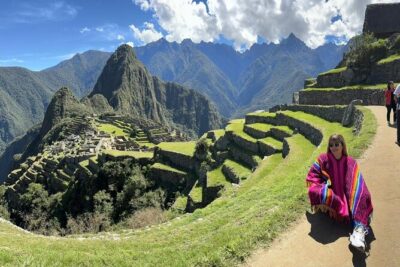
Machu Picchu feels unreal, but the route helps. This 7-day trip threads Sacred Valley ruins into Machu Picchu, so you understand what you’re looking at instead of just chasing views. I love the way the day-by-day plan builds meaning, from Inca stonework to how the sites were used.
I’m also a fan of the pacing that starts with Cusco acclimatization. You get a full arrival day at about 3,400m (11,000ft), then you ramp up with Sacsayhuaman at 3,700m (12,140ft). In the guide department, people often highlight operators like Yeny, Jonathan, and Percy for clear explanations and smooth coordination.
One thing to consider: this is a time-tight week. You’ll do early starts (especially for Machu Picchu) and several long drive-and-walk days in the Sacred Valley, so it won’t feel like a slow vacation.
In This Review
- Key highlights worth your attention
- Cusco Arrival Day: Acclimatize Like a Pro
- Sacsayhuaman and the Ceremonial Belt Above Cusco
- Machu Picchu Morning: Guided Insights Plus Optional Viewpoints
- Sacred Valley Day 1: Moray and Maras for the Inca Mind
- Cusco at Your Pace: Choose Your Own Adventure
- Cochawasi Sanctuary and Pisac: Animals, Ruins, and a Market with Real Choices
- Why This Route Works: From Engineering to Everyday Living
- What You Actually Get for $1,299
- Guide Quality and Group Experience: The Human Part Matters
- Packing for the Andes: Don’t Leave Home Without These Basics
- Should You Book This 7-Day Andean Inca Tour?
- FAQ
- Is pickup offered for this Cusco tour?
- What’s included for getting to Machu Picchu?
- Do I need separate tickets for Huayna Picchu or Machu Picchu Mountain?
- Is lunch included on Machu Picchu day?
- What kind of hotel is included in the price?
- Are entrance fees included for the archaeological sites?
- Is the tour only for my group?
- What should I pack for the trip?
- Is it refundable if I change my plans?
- Is travel insurance included?
Key highlights worth your attention
- Machu Picchu with a guided walk plus the option to add Huayna Picchu or Machu Picchu Mountain if you secure tickets
- Sacred Valley “Inca science” stops: Moray’s crop terraces and the Maras Salt Mines harvesting thousands of salt pools
- Sacsayhuaman and nearby ceremonial sites (Qenko, Tambomachay, Puca Pucara) right above Cusco
- Pisac Ruins and Pisac Market in the same day, with time to interact with local artisans
- A whole-trip English guide (names that come up often include Yeny, Jonathan, Percy, Saul, Ronald, Julio, Herlin, and Grigio)
- Train + round-trip buses to Machu Picchu to reduce ticket and timing headaches
Cusco Arrival Day: Acclimatize Like a Pro
Day 1 is built for your body, not just your photos. After landing at Alejandro Velasco Astete Airport, you’re met by the Inkayni Peru Tours team and escorted to your 3-star hotel lodge in Cusco at roughly 3,400m (11,000ft). Then it’s straight into rest mode.
At around 5:00 PM, you meet your group for a briefing. This matters more than it sounds. By the time you’re talking through the next days, you’re already in the rhythm: you know what time to be ready, how the route flows, and what to expect from the altitude.
If you’re thinking, cool, I’ll just sleep and everything will be fine—good. But I’d still keep the afternoon light. Cusco altitude can make simple things feel like effort, so save your big shopping spree for later and let your breathing settle.
You can also read our reviews of more tours and experiences in Cusco.
Sacsayhuaman and the Ceremonial Belt Above Cusco
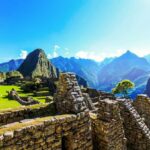
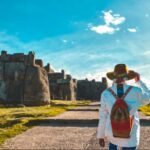
On Day 2 you go high, then keep moving. You start at Sacsayhuaman (about 3,700m / 12,140ft), a fortress site tied to Inca ruler Pachacutec’s era. Even if you only catch the edges of the stone walls, you get the scale. Some stones weigh over 100 tons, and the way they fit together is still a mystery in how it was achieved.
From there, the tour links Sacsayhuaman to several nearby sites: Qenko, Tambomachay, and Puca Pucara. Each is tied to ceremony and purpose—sacred altars, ceremonial bathing/ritual water, and a lookout/guard-post feel. This stop cluster is a smart move because it shows you that Inca Cusco wasn’t just a city center. It was a system of sacred places wrapped around the heights.
The afternoon ends in Ollantaytambo (about 2,792m / 9,160ft). It’s a good transition: you’re lower than Cusco, and the town atmosphere gives you a different energy than the ruins alone.
Machu Picchu Morning: Guided Insights Plus Optional Viewpoints
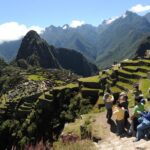
Day 3 is the day everyone comes for—and it starts early. After breakfast, you board a morning bus to Machu Picchu and enter the citadel as part of a guided group.
What makes this day work is the structure of the tour inside the site. Your guide focuses on the big features with practical meaning: temples and ceremonial areas, terraces, and storage structures. Instead of wandering and guessing, you’re given a framework for what you’re seeing and why the Inca built it this way.
You also have a ticket fork to consider. If you arranged an additional pass in advance, you may be able to explore either Huayna Picchu or Machu Picchu Mountain. Those are not included by default (Huayna Picchu specifically is listed as not included), so plan ahead if you want the extra elevation viewpoints.
After the guided portion, the group returns to Aguas Calientes for rest and lunch (not included). Then you have afternoon/evening time for yourself. If it’s raining or cloudy when you arrive, don’t panic. Conditions around Machu Picchu can shift, and having that guided context helps you enjoy the site even when the view isn’t perfect.
Sacred Valley Day 1: Moray and Maras for the Inca Mind
Day 4 is one of the most interesting “how did they think of this” days. You travel from Aguas Calientes back toward Ollantaytambo, then head into the Sacred Valley’s higher zones.
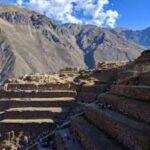
First stop: Moray (about 11,482ft). Moray’s signature look is those concentric terraces, like a stepped amphitheater. The point wasn’t decoration—it was an agricultural laboratory. The terraces created microclimates, letting the Inca experiment with crop growth at different altitudes. Standing there, it’s easier to understand how practical knowledge could become architecture.
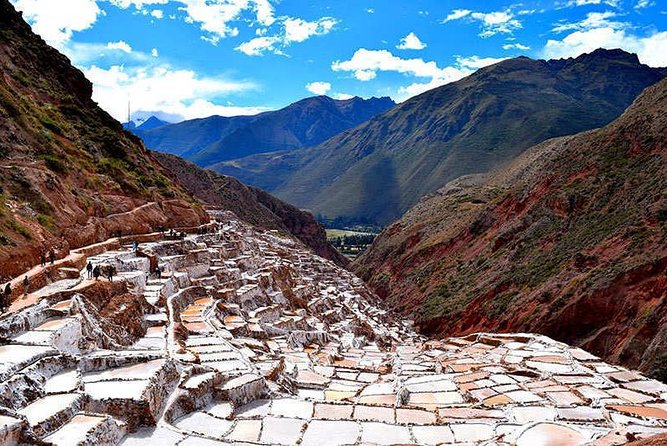
Next comes Maras Salt Mines (about 11,090ft). This site is a shimmering maze of over 3,000 small salt pools cut into the mountainside. The mines are used for harvesting by local families, and the pools are still in production. It’s a striking contrast: harsh terrain plus careful work, sunlight turning the salt flats into something almost geometric.
This day is beautiful, but it’s also long. You’ll spend a good chunk of the day on the move and at high altitude. Bring the rain layer you pack for Cusco, because the weather can change fast even when you think you’re dressed for the forecast.
Cusco at Your Pace: Choose Your Own Adventure
Day 5 is your flexibility day. The tour keeps you in Cusco, then gives you room to decide how you want to spend your time.
You can roam the cobbled streets where Inca foundations blend with colonial facades, and sit in plazas as the city does its daily thing. This is a good day for catching your breath after the earlier intensity.
It’s also a day where Inkayni Peru Tours offers optional activities, including:
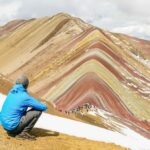
- Rainbow Mountain Trek (Vinicunca)
- a Cusco City Tour
- horseback riding around the Sacsayhuaman area
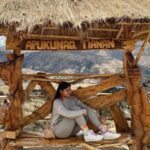
- ATV access to Apukunaq Tianan (stone carvings near Cusco)
Important practical note: the provided details list these options as experiences offered on the day, but they don’t specify what’s included versus extra cost for each. If you’re serious about one, confirm the timing and what the price includes before you commit.
Even if you skip extras, use this day to reset. Eat something warm. Walk slow. You’ll have more energy for the more physical days ahead.
Cochawasi Sanctuary and Pisac: Animals, Ruins, and a Market with Real Choices
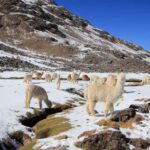
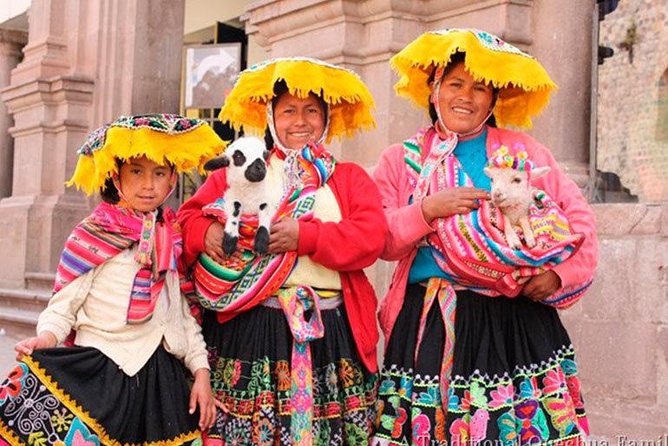
Day 6 starts with wildlife at the Cochawasi Animal Sanctuary, where you can encounter animals tied to Andean life such as pumas, Andean condors, alpacas, and llamas. The practical value here is that it shifts your focus from stone and sky to living ecosystems—still high in the Andes, still tied to survival and adaptation.
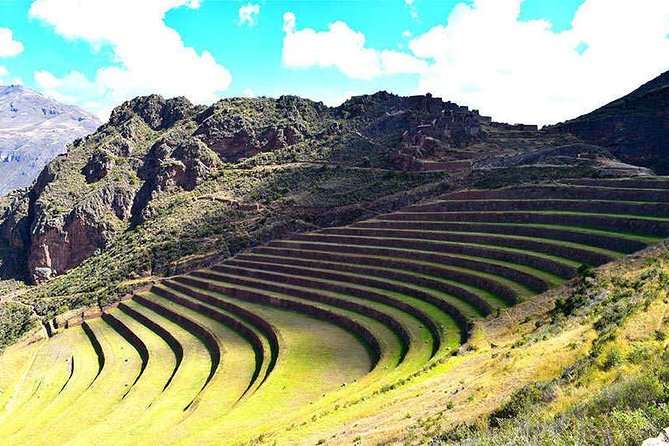
After that, you head to Pisac Ruins (about 2,972 meters / 9,751 feet). Pisac is known for terraces and temple-like spaces, including the striking design that resembles a condor. It’s a great partner to earlier stops because it keeps showing the same theme: the Inca worked with nature and the terrain, not against it.
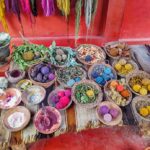
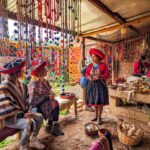
Then you move down to Pisac Market. This is where you get a “slow down and look” moment. The market is described with colorful stalls selling textiles, jewelry, ceramics, and more. If you care about buying crafts responsibly, this is the kind of place where you can talk with artisans and see what you’re taking home up close.
This stop can be a time-sink in the best way, so keep an eye on the group’s schedule and your energy level. It’s easy to get swept up in browsing—then suddenly you’re rushing back.
Why This Route Works: From Engineering to Everyday Living
One reason this tour feels coherent is the way the sites relate to each other. You’re not just checking monuments.
- Sacsayhuaman and the Cusco ceremonial sites show how Inca power and ceremony played out across sacred spaces around the city.
- Machu Picchu then gives you the famous end product—terraces, temples, and storage—so you can connect engineering to real use.
- Moray explains the logic of experimentation: microclimates made agriculture more reliable.
- Maras brings you back to the everyday work of Andean life, with salt harvested over centuries.
- Pisac ties architecture to economy and culture, ending in a market where you see crafts and community trade.
It’s also the kind of trip where the guide can make a difference. In the feedback you shared, names like Yeny and Jonathan come up for being personable and helping with details and photos. Other guides such as Percy, Saul, Ronald, Julio, Herlin, and Grigio are associated with coordination and making sure solo travelers feel looked after. If you’re considering this for the first time, choose this style of tour because it handles the “linking tissue” between locations.
One fair caution: there is at least one mention of inappropriate behavior by a guide in the past. That’s not the whole story, but it is enough to take seriously. If you’re traveling alone or with a group of women, trust your instincts. If something feels off, tell the operator during the trip so it can be addressed quickly.
What You Actually Get for $1,299
At $1,299 per person, you’re paying for the logistics and the structure as much as the sightseeing. Here’s what’s clearly included:
- 6 nights in 3-star hotels (double occupancy)
- All entrance fees
- All transfers
- Voyager (Incarail) or Expedition train to Machu Picchu
- Round-trip buses to Machu Picchu
- Professional English speaking guide for the whole trip
- Breakfast (6)
And the major things not included:
- International and local flights
- Huayna Picchu entrance fee (and Huayna Picchu Mountain options require separate tickets if you choose them)
- Travel insurance
- Lunch at Machu Picchu is noted as not included
Value-wise, the Machu Picchu portion is the big cost driver in the real world. Train selection plus bus timing plus a guided walk is hard to assemble for yourself without ending up with ticket stress. Add in the included entrances for multiple sites and six breakfasts, and the price starts to look more like a bundled “do it for me” service than a basic sightseeing deal.
That said, this is a non-refundable experience in the provided policy, meaning you should only book if your dates are firm.
Guide Quality and Group Experience: The Human Part Matters
This is a private tour for your group only, which can feel like the sweet spot: you’re not competing with big crowds, but you still get a guided plan.
In the feedback you included, guides are repeatedly mentioned by name—Yeny, Jonathan, Percy, Saul, Ronald, Julio, Herlin Apaza, and Grigio. The common threads are coordination, responsiveness, and helping with the small stuff (like getting restaurant reservations or making sure people are comfortable). That matters in Cusco, where altitude, timing, and weather can turn a day into chaos if nobody is managing the flow.
Practical tip: if you care about specific priorities—extra photo stops, less walking, or particular viewpoints—say it during the early briefing (Day 1). The schedule is set, but good guides can often adjust pacing within the plan.
Packing for the Andes: Don’t Leave Home Without These Basics
The tour info is straightforward about what you should bring:
- Waterproof jacket / rain poncho
- Sun cream factor 35+
- Personal medication
- Camera and film
Even if you think rain is unlikely, the Andes have a habit of changing weather between morning and afternoon. A rain layer also helps with comfort when you’re walking on uncovered paths at Machu Picchu.
Also consider sunglasses and a hat if you’re sensitive to sun at altitude. Sunscreen is listed, so protect your skin even when the sky looks mild.
Should You Book This 7-Day Andean Inca Tour?
I’d point you toward booking this tour if you want:
- a structured week that links Cusco to the Sacred Valley and ends at Machu Picchu
- included train and bus transport to Machu Picchu plus entrances and a guide
- enough time to acclimatize on Day 1 instead of jumping straight into hard sightseeing
I would hesitate if you:
- hate early starts and long drive days
- want a totally flexible itinerary every day
- plan to add Huayna Picchu without confirming tickets early (since it’s not included)
If your goal is to understand the sites—and not just stand in front of them—this route does a good job of connecting the dots.
FAQ
Is pickup offered for this Cusco tour?
Yes. The experience notes pickup is offered and includes transfers as part of the package.
What’s included for getting to Machu Picchu?
You’ll use a train (Voyager Incarail or Expedition train) and then take buses to Machu Picchu round trip.
Do I need separate tickets for Huayna Picchu or Machu Picchu Mountain?
Yes. Huayna Picchu entrance fee is listed as not included. The itinerary also notes that you can explore Huayna Picchu or Machu Picchu Mountain only if you secured an additional ticket in advance.
Is lunch included on Machu Picchu day?
No. After returning to Aguas Calientes, lunch is listed as not included.
What kind of hotel is included in the price?
The tour includes 6 nights in 3-star hotels, based on double occupation.
Are entrance fees included for the archaeological sites?
Yes. The tour includes all entrance fees.
Is the tour only for my group?
Yes. It’s listed as a private tour/activity, so only your group participates.
What should I pack for the trip?
Bring a waterproof jacket or rain poncho, sunscreen (factor 35+), personal medication, and a camera (film is also mentioned).
Is it refundable if I change my plans?
No. The experience is non-refundable and cannot be changed for any reason according to the cancellation policy.
Is travel insurance included?
No. Travel insurance is listed as not included.