REVIEW · AREQUIPA
Rock Climbing in Arequipa, Perú
Book on GetYourGuide →Operated by Sky Viajes Perú · Bookable on GetYourGuide
A day on rock near Arequipa feels way more real than another bus ride. This one combines beginner-friendly climbing with big volcano views over the Chilina Valley. You’ll climb for about 3 hours, then still have time to get back to the city with your legs mostly intact.
I especially like that the guide teaches as you go, not just hands you chalk and wishes you luck. In fact, guides like Eduardo (from one of the experiences I reviewed) focused on safety protocols and coaching you through progressively harder routes. The only real drawback to plan for: it’s an outdoor session with sun and wind, so you’ll want the right layers and protection.
In This Review
- Key Highlights You’ll Actually Care About
- Chilina Valley Rock Climbing: The Setting That Makes It Worth It
- Getting There From Arequipa: Pickup, Timing, and Volcano Views
- Where the Day Begins: Safety Briefing at Virgen de Chapi (Charcani)
- The Climbing Portion: Three Hours, Easy-to-Challenging Routes
- Gear and Equipment: What’s Included (and What to Bring Yourself)
- The Scenery Breaks: River Air and a Volcano Moment You Can Feel
- Skill Levels: Who This Really Suits
- Price and Value: Why $39 Can Be a Good Deal Here
- The Group Dynamic: What It Feels Like on Day One
- Practical Tips for a Smoother Climb Day
- Should You Book Rock Climbing in Arequipa?
- FAQ
- How long is the rock climbing experience in Arequipa?
- What time does the tour start?
- What is included in the price?
- Do I need experience to go rock climbing here?
- What should I bring with me?
- What languages is the guide available in?
Key Highlights You’ll Actually Care About
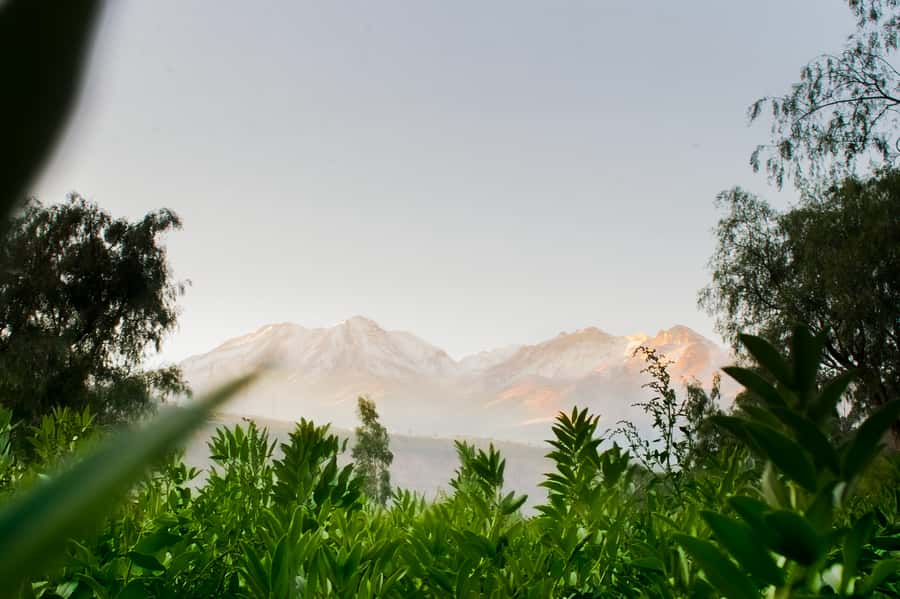
- Chilina Valley crag time right by the Chili River, so the scenery is part of the workout
- Routes for every level, from easy climbs to challenges that keep you honest
- English/Spanish guidance and a strong emphasis on safe technique and control
- Gear included, including climbing shoes and chalk, so you don’t overpack
- Volcano viewpoint stop in the morning, plus a look toward pre-Inca terraces
Chilina Valley Rock Climbing: The Setting That Makes It Worth It
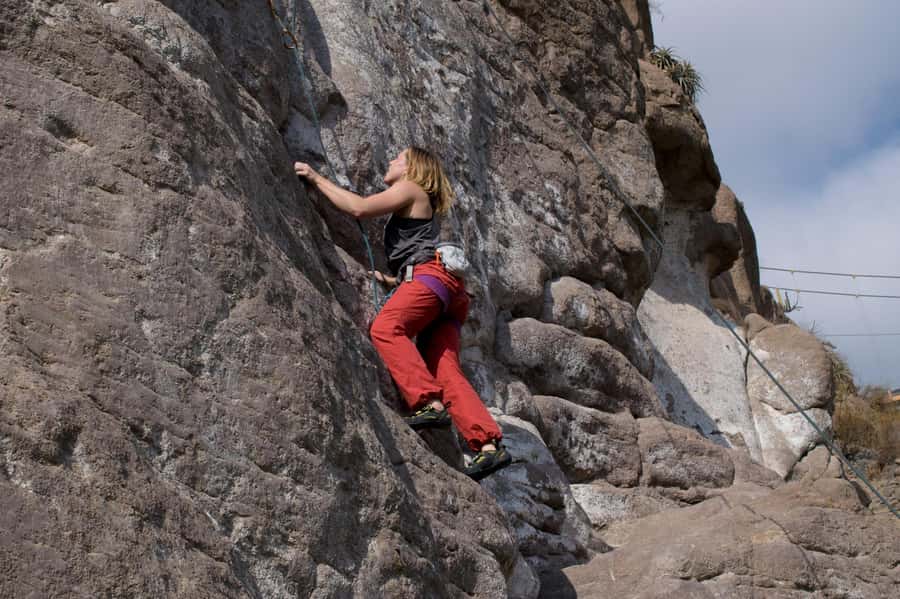
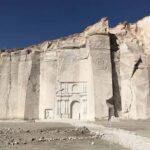
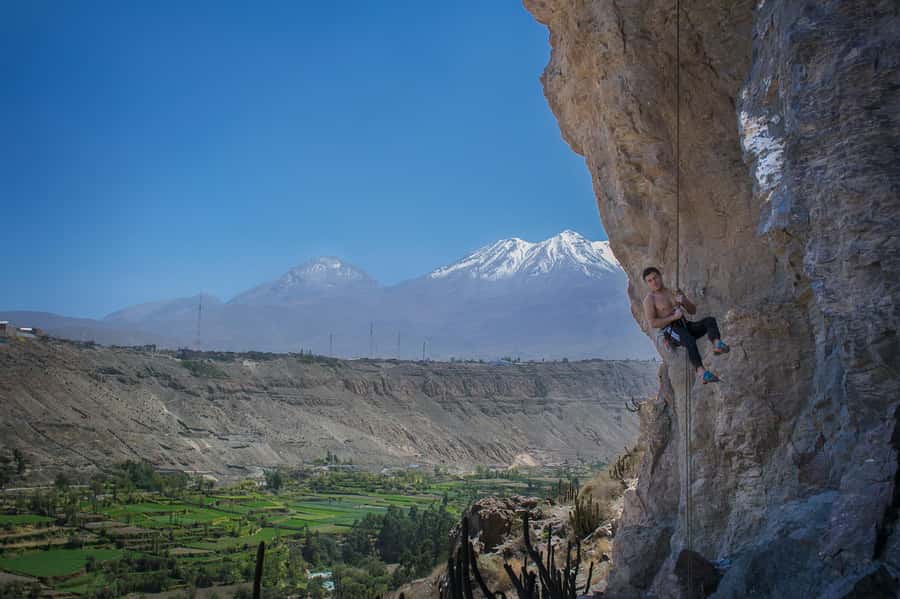
This is rock climbing in Arequipa’s Chilina Valley, close to the Chili River. The vibe is not a “sports-only” outing. It’s a full morning outdoors where you get your workout, but you’re also surrounded by the kind of scenery that makes you look up even when you’re busy on the wall.
You’ll be climbing on a crag that offers multiple route options, so first-timers don’t feel dropped into the deep end. At the same time, people with experience won’t feel bored, since the route selection can ramp up from easy to challenging. That balance is rare in a half-day format.
One more practical win: you’re not spending half the trip hiking just to reach the rock. The day is built around the climb itself, with a short safety briefing before you start moving.
You can also read our reviews of more tours and experiences in Arequipa.
Getting There From Arequipa: Pickup, Timing, and Volcano Views
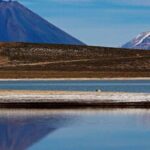
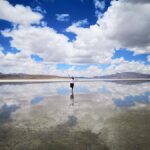
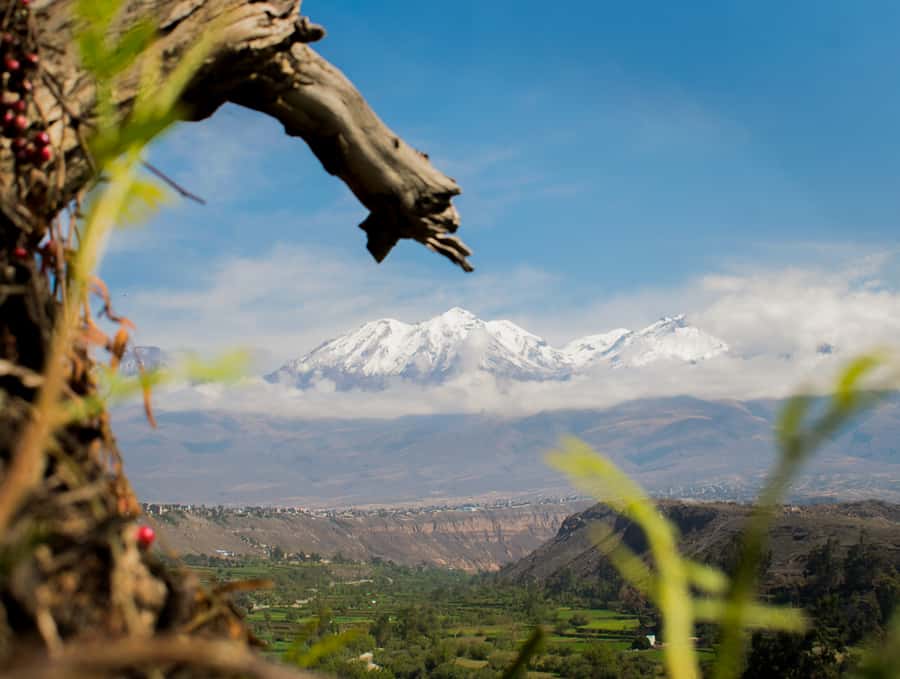
The day starts with hotel pickup in Arequipa. Pickup is scheduled for 10:00am, and then you head toward Chilina Valley. Before you climb, you stop to take in a marvelous view of the volcanoes, plus the Chili River and pre-Inca terraces.
That early viewpoint stop matters more than it sounds. Arequipa’s surroundings can look dramatic even from a distance, and this is your moment to see the region as more than “the place where I’m going to climb.” It also gives your body time to wake up before you put weight on your hands and feet.
Plan for a straightforward schedule: you’ll park and get ready around 10:30am, then the climbing portion runs until about 1:30pm. After that, you’ll head back and get dropped off in the city around 2:00pm.
Where the Day Begins: Safety Briefing at Virgen de Chapi (Charcani)
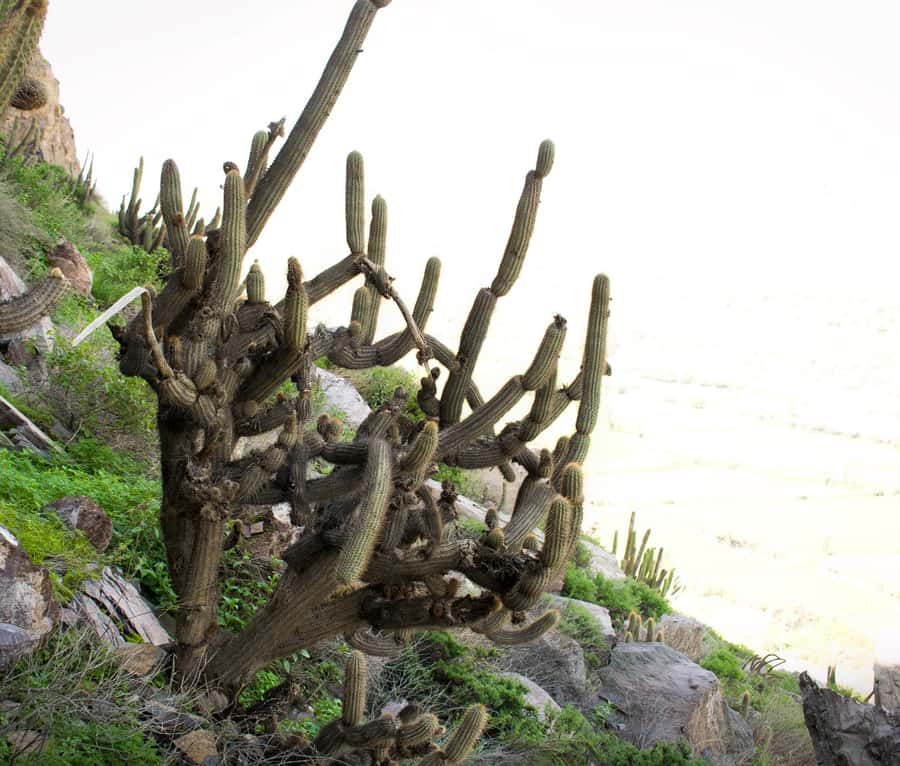
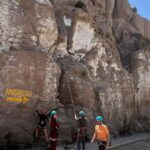
Before you touch the wall, you get a safety briefing. The session begins around the Santuario Virgen de Chapi – Charcani area. Expect a quick but thorough setup process, with instructions that cover how to climb safely and how to handle the basics so you don’t waste energy guessing.
This is one of the reasons the experience works for first-timers. You’re not thrown into knots and carabiners without a guide. When Eduardo was coaching people on progressive routes, the focus was on safety and teaching climbing protocols, and that kind of structured approach is exactly what keeps this feeling fun instead of scary.
If you’re an experienced climber, you’ll likely appreciate that you still get a clear safety framework before being sent up. Even if you already know the fundamentals, it helps you get oriented quickly.
The Climbing Portion: Three Hours, Easy-to-Challenging Routes
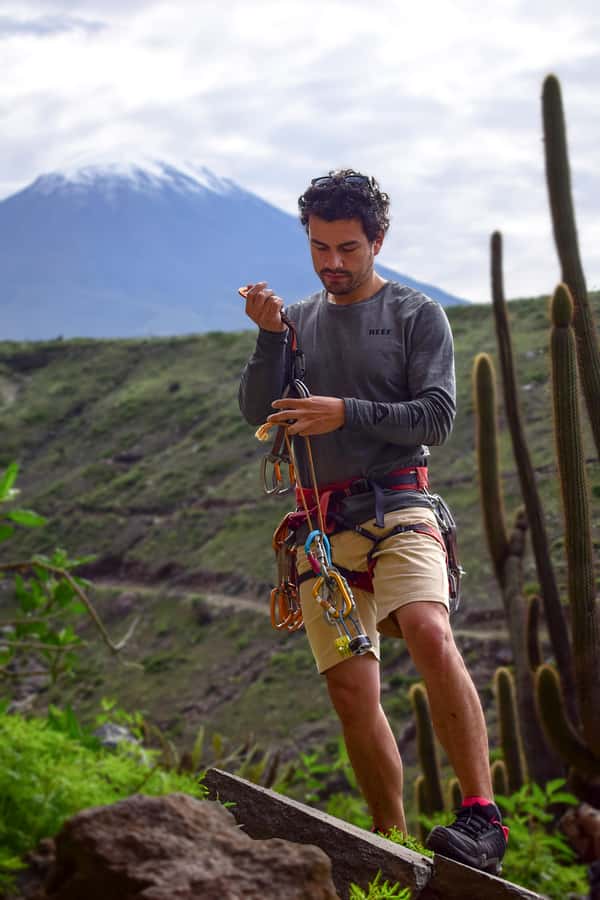
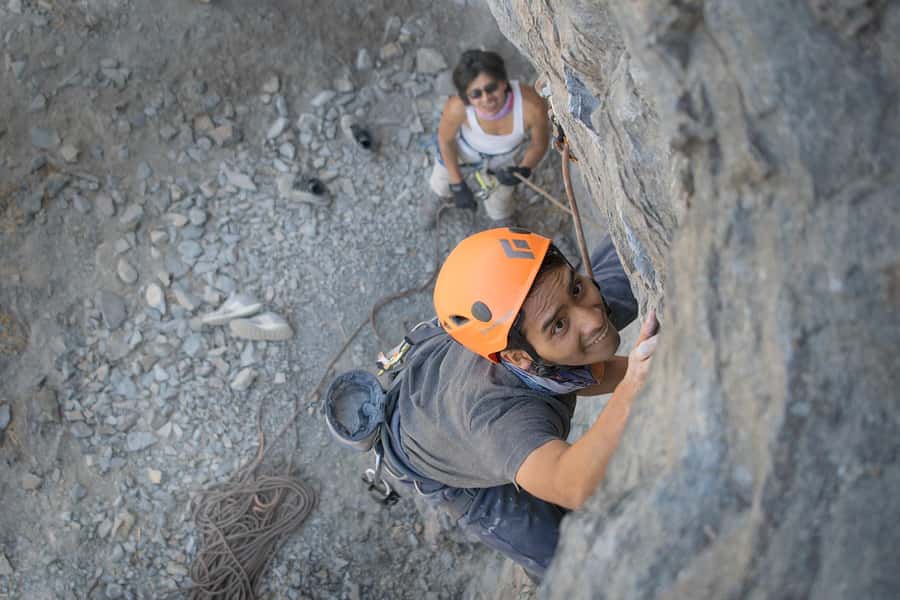
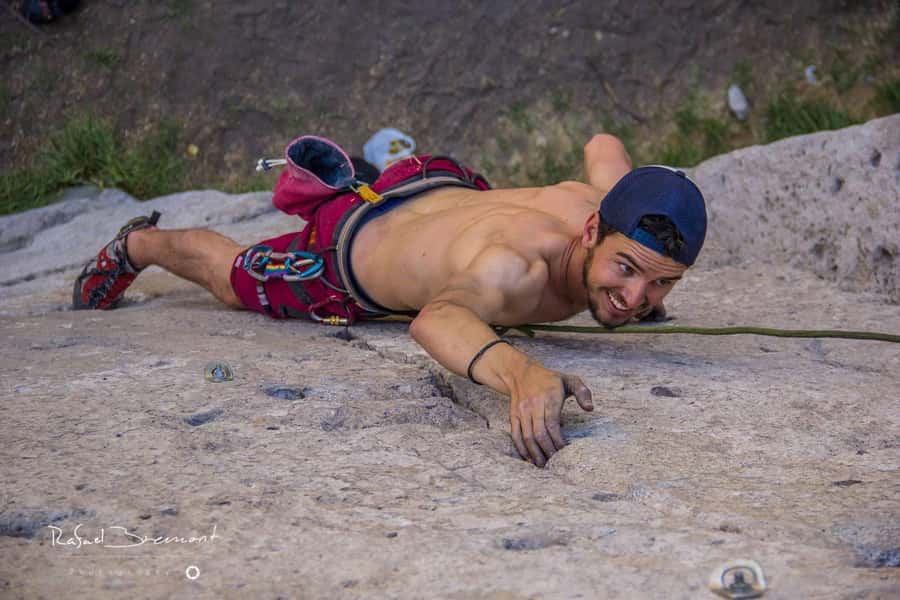
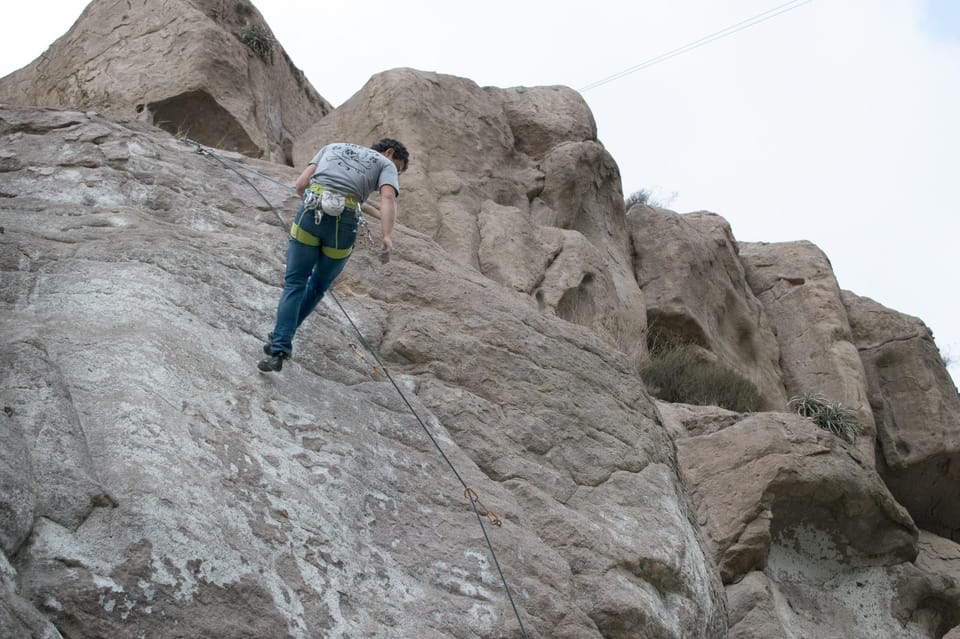
Once you’re at the crag, it’s time to climb. You get roughly 3 hours of climbing time, starting with easier routes and then working your way toward more challenging options. The big idea is variety: the crag has many options apt for different skills, so your group isn’t stuck doing the same line.
This is also where the experience shines if you’re learning. First routes give you time to build confidence—how your feet find holds, how your arms share the load, and how to pace yourself. Then the difficulty increases, which keeps you engaged without turning the whole session into survival mode.
A smart detail: you only worry about climbing and enjoying nature. There’s no long pre-hike. That keeps the day from getting tiring too early, so you can actually enjoy the wall rather than saving your energy for the approach.
Also, you’ll be climbing for a full block, not just “one try.” That means you get repetition. Repetition is what turns fear into competence. You’ll feel your technique improve over the course of the day.
Gear and Equipment: What’s Included (and What to Bring Yourself)
You’re provided with full climbing equipment, including climbing shoes and chalk. That’s a big part of why this outing is good value. Buying or packing gear can be a hassle on a trip, and this format removes that friction.
What you should bring is mostly comfort and protection:
- Drinks
- Sunscreen
- Comfortable clothes
- A long-sleeved shirt
- Insect repellent
Those items matter in Arequipa’s outdoor conditions. Sun and dry air can sneak up on you fast, and the long-sleeve helps with friction on rock and gear contact. If you’re prone to sunburn or bug bites, don’t treat those as optional.
If you’re thinking about clothing, wear layers that let you move but don’t feel flimsy. Climbing is dynamic—your body runs warm, then cools down when you rest or transition to the next route.
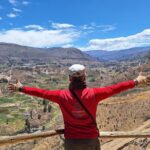
The Scenery Breaks: River Air and a Volcano Moment You Can Feel
This tour isn’t only about the wall. It’s also about pacing yourself with scenic breaks.
You’ll see the Chili River and volcanoes during the morning viewpoint stop before climbing. Later, once you’re back on the route transitions and resting, you’re still in the valley environment rather than surrounded by a random parking lot.
That’s why the “chill by the river” highlight isn’t just marketing. When you’re not climbing, you’re not stuck waiting indoors. You’re outside with the view, which makes the whole day feel more like Arequipa than just an activity checkpoint.
Skill Levels: Who This Really Suits
This is one of those rare tours that makes sense for both beginners and experienced climbers.
If you’re brand new, you’ll like this because:
- You get a safety briefing before climbing
- Routes are structured from easy to more challenging
- The guide coaching approach helps you progress instead of flailing
If you already climb, you’ll like it because:
- The crag has options across different difficulties
- You get multiple routes instead of one short attempt
- The day is long enough to feel like you actually did something meaningful
One practical consideration: you’ll want the mental attitude of learning and adapting. Even experienced climbers benefit from guidance when the route style or safety flow is different from what you’re used to.
If you’re afraid of heights, this could still work—but only if you’re comfortable with gradual exposure. As long as you take it route by route, the progressive plan helps.
Price and Value: Why $39 Can Be a Good Deal Here
At $39 per person for a roughly 4-hour half-day, this is priced like an activity that’s aiming for real participation, not a luxury add-on.
Here’s what you’re paying for in practical terms:
- Hotel pickup and drop-off, which saves you time and hassle
- An English speaker guide (also Spanish is available)
- Full climbing equipment, including shoes and chalk
- A snack to keep your energy steady
When you add those pieces up, you’re not just buying access to a wall—you’re buying a complete setup. For many first-timers, not having to source gear and figuring out where to go is the difference between doing this trip and skipping it.
So the value is strongest if you want everything handled and you want to climb more than just observe.
The Group Dynamic: What It Feels Like on Day One
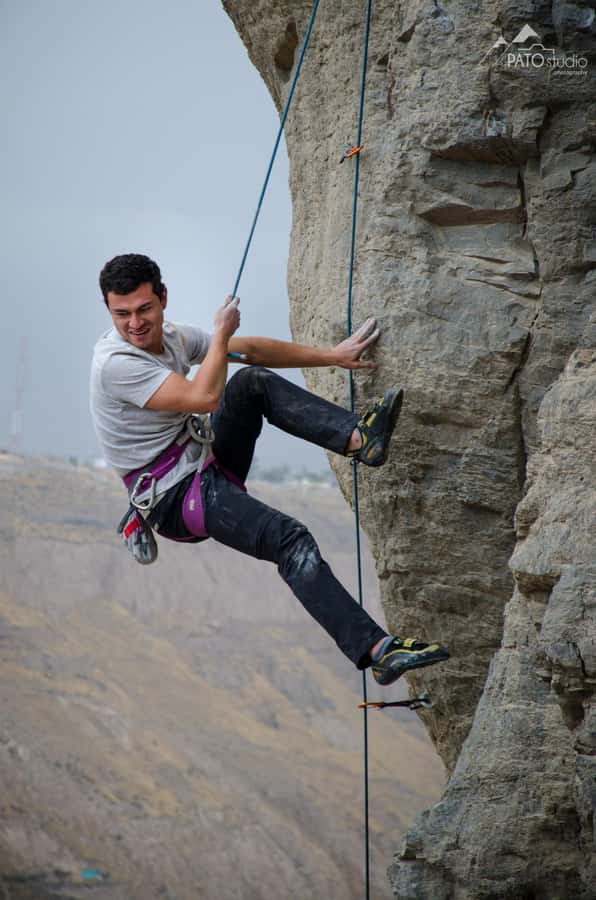
The experience seems built for mixed groups. In a group setup that included both climbing-experienced people and total first-timers, everyone still got routes at the right level, and safety felt solid throughout.
That matters because climbing can be awkward if you’re the slowest person or the most nervous person in a group. Here, the route variety means you can progress without feeling left behind.
It’s also why the guide coaching style gets praised. When someone like Mathias is described as really helpful, it usually means they’re attentive—watching your technique, adjusting how you move, and staying quick with communication so you’re not stuck waiting or guessing.
Practical Tips for a Smoother Climb Day
A few small things can make a big difference:
- Bring a long-sleeved shirt even if you think you’ll be warm. Rock + gear contact can be rough.
- Pack sunscreen and drinks. You’ll be outside for hours, not just on the wall.
- Wear comfortable clothes you can move in, not stiff fabric you’ll regret when you’re reaching.
- If you’re nervous, ask for reassurance early. The coaching approach is part of the value.
- Don’t skip the easy routes. They’re training. Your later attempts will feel better because of them.
And one more mindset tip: climbing is about small wins. Think about finishing each route cleanly, not just forcing height or speed.
Should You Book Rock Climbing in Arequipa?
If you want a half-day activity that feels genuinely local—rock, river air, volcano views—and you don’t want the day to turn into logistics, this is an easy yes.
Book it if:
- You want beginner-friendly instruction without feeling silly
- You like the idea of progressive routes for mixed skill levels
- You’d rather climb with gear and coaching included than figure it out alone
Think twice if:
- You’re extremely sensitive to sun and outdoor conditions and you forget essentials like sunscreen and a long sleeve
- You’re only looking for a quick photo moment and not an actual climbing session
If you’re in Arequipa and you’ve been curious about trying rock climbing, this is the kind of outing that can become a trip highlight fast—because you’ll actually do the climbing, not just watch it happen.
FAQ
How long is the rock climbing experience in Arequipa?
The total duration is about 4 hours, with the climbing portion lasting around 3 hours.
What time does the tour start?
Pickup is at 10:00am, and you’ll be back in the city around 2:00pm.
What is included in the price?
Hotel pickup and drop-off, an English speaker guide, full rock climbing equipment (including climbing shoes and chalk), and a snack are included.
Do I need experience to go rock climbing here?
No. The experience is set up for both beginners and more experienced climbers, with routes that start easier and can get more challenging.
What should I bring with me?
Bring drinks, sunscreen, comfortable clothes, a long-sleeved shirt, and insect repellent.
What languages is the guide available in?
The guide is available in English and Spanish.