REVIEW · LIMA
Half-Day Local Communities and Social Tour in Lima
Book on Viator →Operated by Alternative Peru · Bookable on Viator
Lima has two faces. This tour shows the Lima people build every day, from Cementerio de Nueva Esperanza to neighborhood projects in San Juan de Miraflores. I love the way it mixes big, emotional place-based history with hands-on community visits, and I really like the structure: you’re not just looking—you’re talking, listening, and learning what locals are trying to change.
The main drawback is practical: you’ll do some walking on uneven terrain in strong sun, plus Lima traffic can change timing. If you have serious back or neck issues, or you hate heat and uneven ground, this may not be the best fit.
In This Review
- Key highlights to know before you go
- Lima’s Hill Communities: Why This Feels Different
- Cementerio de Nueva Esperanza: Andean Burial Traditions Up Close
- San Juan de Miraflores: Neighborhood Life, Community Leaders, and Real Projects
- The Home-Cooked Lunch Moment You’ll Remember
- Price and Value: What You’re Actually Paying For
- Practical Tips for Sun, Shoes, and Lima Timing
- Who Should Book This Tour (and who should skip it)
- Should You Book Half-Day Local Communities and Social Tour in Lima?
- FAQ
- How long is the tour?
- Where does the tour take place?
- What is the price per person?
- What stops are included?
- Is lunch included?
- What’s included in the tour besides lunch?
- Is admission included for the cemetery?
- How much walking is involved?
- What should I bring for Lima’s sun?
- What are the cancellation rules?
Key highlights to know before you go
- Cementerio de Nueva Esperanza: a huge cemetery in the hills where Andean burial traditions show up in color and detail
- Meet-and-talk format: a bilingual guide plus local voices, so you get context, not just sightseeing
- Local entrepreneur stops: small businesses and artisan workshops you can see up close
- Home-cooked lunch in a neighborhood house: simple, filling, and tied to real stories
- Your money supports a social project: the tour includes a contribution to what you visit
Lima’s Hill Communities: Why This Feels Different
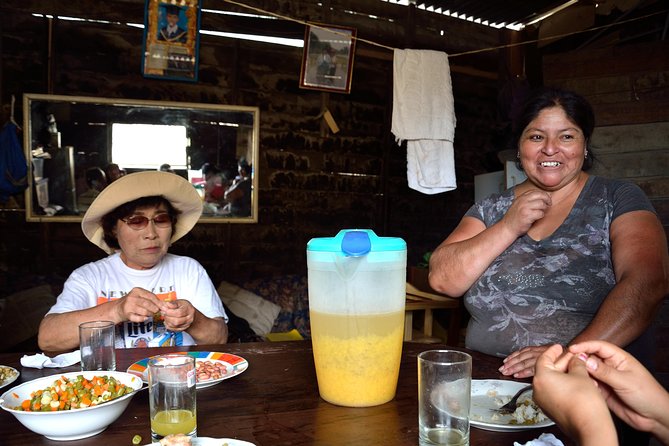
This is the kind of tour that makes Lima feel human, not polished. Most first-time visitors move through the well-known neighborhoods and miss the daily life on the edge—where people are dealing with limited resources, building community anyway, and creating small solutions that add up.
What I like most is that you’re given a clear lens. You start by visiting a major site tied to Andean burial traditions, then you head into a settlement area where local projects are part of daily life. That pairing matters. It helps you understand that culture in Lima isn’t only museums or architecture—it’s also the way people organize, remember, and support one another.
You also get a bilingual-guide setup where your conversations can actually go somewhere. One guide name that shows up in feedback is Alfredo, praised for being engaging and making space for questions. In practice, that means you should expect explanations that connect facts to feelings, not just a list of sights.
One more thing: this is private, so the pace and question time can be more relaxed than on big group tours. In one shared experience, a small group size made the whole day feel more personal and less rushed.
You can also read our reviews of more tours and experiences in Lima

Cementerio de Nueva Esperanza: Andean Burial Traditions Up Close
Stop one is Cementerio de Nueva Esperanza, reached after about a 50-minute drive. This cemetery is described as the second-largest in the world, and it’s not hidden away behind fences and formal entrances. It sits in the hills and among human settlements, which gives you an instant sense of how burial traditions connect to everyday place.
Expect a visual surprise. This cemetery is colorful and theatrical in the way Andean cultural traditions can be—where graves aren’t only markers, but spaces for memory, belief, and ongoing relationship. If you like photography, you’ll likely keep stopping. From the hillside viewpoints, the scene has layers: graves, colors, people moving through the space, and the wider context of the surrounding neighborhoods.
A specific detail worth knowing: you may notice crosses over graves combined with objects and herbs linked to folk practice. Some explanations also connect Catholic elements with Andean beliefs, and the guide may describe how families participate around Day of the Dead, bringing food and drink and treating it like a visit and celebration. Even if your beliefs are different, the respectful tone makes it easier to understand rather than judge.
The main consideration here is emotional weight. Cemeteries always hit differently, and this one’s size and setting can feel intense. If you’re the type who gets overwhelmed by death-related sights, take that into account before you book.
Practical note: this first stop is around 30 minutes with admission included, so it’s not a long slog. It’s enough time to see what makes it distinct and still get to the neighborhood visit with energy.
San Juan de Miraflores: Neighborhood Life, Community Leaders, and Real Projects
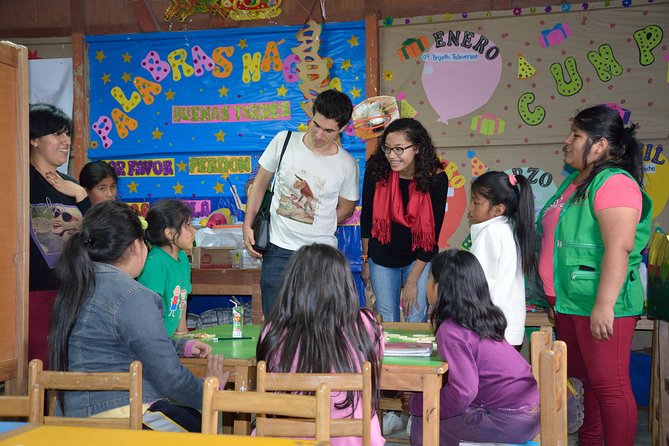
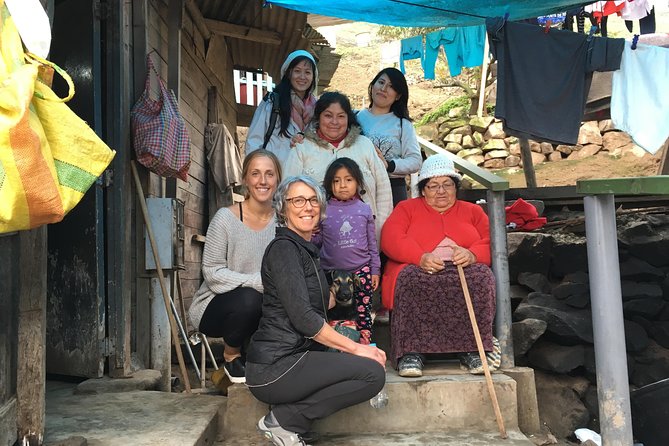
After the cemetery, you head to San Juan de Miraflores, where the day shifts from history and tradition to daily life and local problem-solving. This part is about 3 hours, and it’s guided by a team: your tour guide works with a local guide from the community so you get both translation and context.
The first neighborhood stop is often a local household-based business—think an artisan workshop or a small venture started by a local woman. You’ll hear her story and see how the work fits into family life. This is a key difference from many “community tours.” You’re not only touring streets—you’re meeting the people building income, skills, and pride.
Then comes the core of the visit: meeting local families and community leaders, hearing about daily challenges, and also learning about specific initiatives underway. The tone matters. The descriptions focus on both obstacles and progress, because the community is not waiting for outside help to start doing something.
On some days, you may even see activities with kids as part of the local programs. Even when kids aren’t present, the neighborhood guide’s explanations help you understand what the programs are trying to address—often education support, social support, and community spaces where children can spend time safely and learn.
One small reality check: you might notice a lot of stray dogs in and around the area. It’s not a dealbreaker, but it is part of the street-level Lima experience. Knowing that ahead of time can keep you from feeling surprised or uneasy.
The Home-Cooked Lunch Moment You’ll Remember
The lunch stop is one of the strongest parts of the tour, and it’s not staged in a restaurant. You visit a local cook’s house, and you eat an authentic Peruvian meal prepared there. In past experiences, lunches have included dishes like chicken and rice, plus regional drinks made from ingredients like corn.
More than the food, what makes this lunch land is the story attached to it. You’re hearing why cooking this way matters, how the household survives, and how hospitality works in a community where resources can be limited. One review described the cook waking early to prepare breakfast for kids and older people who can’t afford regular meals—an example of how ordinary routines can carry real community impact.
Should you expect a gourmet restaurant? No. What you’re getting is real home cooking, often served in a home setting where details like limited water access or ventilation might be part of the reality. That can be a lot to take in. But the tour’s purpose is to connect those realities with dignity and action, not to shock you.
If you have food restrictions, let the operator know during booking. That’s the best time to make sure you can eat comfortably and respectfully.
Price and Value: What You’re Actually Paying For
At $182 per person for about 5 to 6 hours, this is not a “budget” Lima tour. But the price makes more sense when you look at what’s included and what your money supports.
You’re paying for:
- Hotel pickup and drop-off with private transportation
- A bilingual guide plus a local guide for neighborhood context
- Lunch prepared locally
- A contribution to the social project tied to what you visit
That combination is where the value sits. Many tours show you a place and call it a day. This one is built around spending meaningful time with locals and supporting the work linked to the community you’re visiting. If your goal is to see the “other side” of Lima—beyond postcards and fancy districts—this kind of structured, guided contact is usually the difference between a quick photo stop and a lasting understanding.
One more value point: the day is private, so the experience can be paced around your group. If you’re traveling with children or you want plenty of question time, that flexibility matters.
The main way the cost could feel high is if you’re expecting a standard sightseeing itinerary with lots of famous monuments. This is more human and less postcard.





Practical Tips for Sun, Shoes, and Lima Timing
Lima weather can be tricky to read, but the sun can be intense most of the year. From December to April, it can be especially strong even when it’s cloudy. Bring sunscreen, water, and a hat. You’ll thank yourself at stop two when the walking adds up.
Wear comfortable shoes. The tour involves some walking on uneven terrain, so skip sandals. Think sneaker support you can trust on uneven paths and steps.
Traffic is real in Lima. Transfer time can vary, so if you have a hard deadline—like a dinner reservation or an airport plan—tell your operator. A half-day tour can still run late when the city does what the city does.
Finally, this isn’t aimed at people with serious medical limits. If you have serious back or neck problems, the provider says it’s not recommended. Even without any dramatic inclines, the uneven ground and movement can be a problem.
Who Should Book This Tour (and who should skip it)
This tour fits best if you:
- Want a meaningful cultural experience rather than only scenic stops
- Like learning from local perspectives and asking questions
- Care about how your tourism dollars support community work
- Prefer a private format with less crowd noise and more conversation
It’s also a strong option for families—one parent reported bringing a 10-year-old and a teen, and the kids described the day as a highlight. Still, consider the seriousness of the cemetery stop and the heat.
You might want to skip or rethink if you:
- Don’t handle cemetery visits well
- Struggle with walking on uneven surfaces
- Need a very low-key day with minimal sun exposure
Should You Book Half-Day Local Communities and Social Tour in Lima?
If your goal is to see Lima as lived reality—people, projects, and traditions—this is a smart booking. The combo of Cementerio de Nueva Esperanza, a neighborhood visit in San Juan de Miraflores, a home-cooked lunch, and a direct social contribution is a rare mix of education and support that goes beyond surface-level tourism.
Book it if you’re ready for an experience with emotional weight and street-level realism. Pass it if you want only comfortable, famous, easy sightseeing.
One last decision tip: if you’re going to ask questions, ask them. This tour is at its best when you use the bilingual and local guide time. You’ll leave with a clearer picture of Lima—and a better sense of where your visit fits into the community.
FAQ
How long is the tour?
It runs about 5 to 6 hours.
Where does the tour take place?
In Lima, Peru, including stops at Cementerio de Nueva Esperanza and in San Juan de Miraflores.
What is the price per person?
The price is $182.00 per person.
What stops are included?
The tour includes Cementerio de Nueva Esperanza and a neighborhood visit in San Juan de Miraflores with local community leaders and families.
Is lunch included?
Yes. Lunch is included and is prepared by a local cook.
What’s included in the tour besides lunch?
You get a local guide, private transportation, and hotel pickup and drop-off. A contribution to the social project visited is also included.
Is admission included for the cemetery?
Yes. The admission ticket for the cemetery is included.
How much walking is involved?
There is some walking on uneven terrain, so you’ll want comfortable shoes (no sandals).
What should I bring for Lima’s sun?
Bring sunscreen, water, and a hat, since the sun is very strong most of the year.
What are the cancellation rules?
You can cancel up to 24 hours in advance for a full refund. If weather, political situation, or unexpected events cause cancellation, you’re offered an alternative date or a full refund.