REVIEW · INCA TRAIL TO MACHU PICCHU
From Cusco: Machu Picchu 2-Day Inca Trail
Book on GetYourGuide →Operated by Peru Andes Top · Bookable on GetYourGuide
Two days. One unforgettable Inca finish.
This is a hike-and-arrival route where you walk part of the ancient path to Wiñay Wayna, then reach Machu Picchu with your first big views at Inti Punku before you even head to Aguas Calientes.
I love how this keeps things personal with a small group (up to 13) and an official guide who handles the practical flow. I also like that day 1 is built around real Inca sites—houses, terraces, and that dramatic Inca Gate of the Sun moment—so the trip feels earned, not rushed.
One consideration: the experience is physically active, and you’ll want to travel light since luggage or large bags aren’t allowed. Also, be strict about paperwork because you need your passport info to confirm services, and updates require presenting both documents.
In This Review
- Key moments worth planning for
- Why this 2-Day Inca Trail route feels different from direct Machu Picchu
- Day 1: From Cusco train time to Wiñay Wayna’s terraces
- The approximately 3-hour hike to Wiñay Wayna
- Box lunch, then houses, terraces, and Inti Punku
- First views, then bus down to Aguas Calientes
- Aguas Calientes night: how to sleep well for Machu Picchu morning
- Day 2: Bus to Machu Picchu, then the guided tour you’ll remember
- Machu Picchu on arrival: terraces, staircases, and ceremonial areas
- Lunch time and what to plan for
- Transfers and timing: what you gain (and what can trip you up)
- Price and value: is $653 reasonable for this 2-day setup?
- Your guide experience: what to expect from the way the day is run
- What to bring and how to prepare when the tour limits your luggage
- Who should book this, and who should skip it
- Should you book this 2-Day Inca Trail from Cusco?
- FAQ
- How long is the Cusco to Machu Picchu 2-Day Inca Trail experience?
- How many people are in the group?
- What’s included for meals?
- Do I need a passport to book?
- Is Huayna Picchu or Machu Picchu Mountain included?
- What languages do the guides speak?
- What should I bring, and what isn’t allowed?
- Is this tour suitable for everyone?
Key moments worth planning for
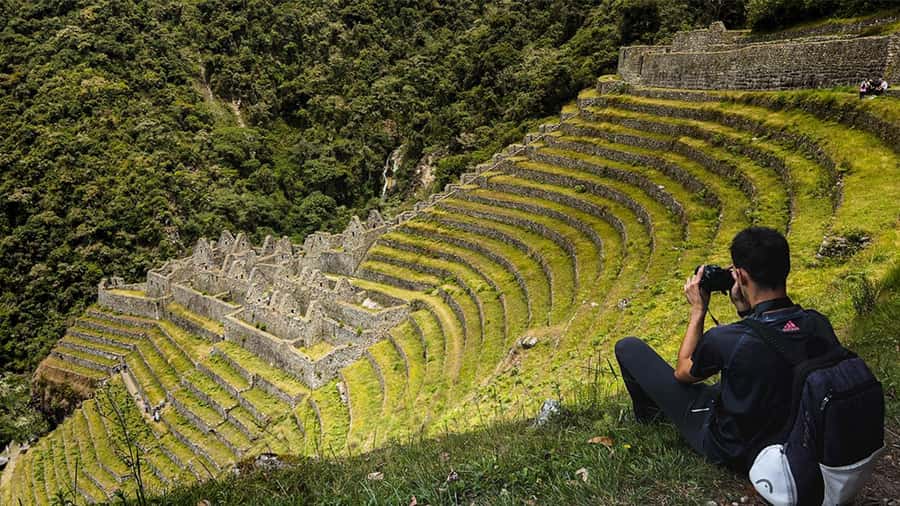
- Wiñay Wayna walk (about 3 hours): time on the older Inca route, plus flora and views along the way
- Inti Punku (Inca Gate of the Sun): your first proper look at Machu Picchu
- Aguas Calientes night: a real reset before the morning climb
- Urubamba canyon viewpoints: the bus ride includes big scenery focused on the river canyon
- Guides that manage pace: examples like Lenin and Raoul are praised for adjusting to the group
Why this 2-Day Inca Trail route feels different from direct Machu Picchu
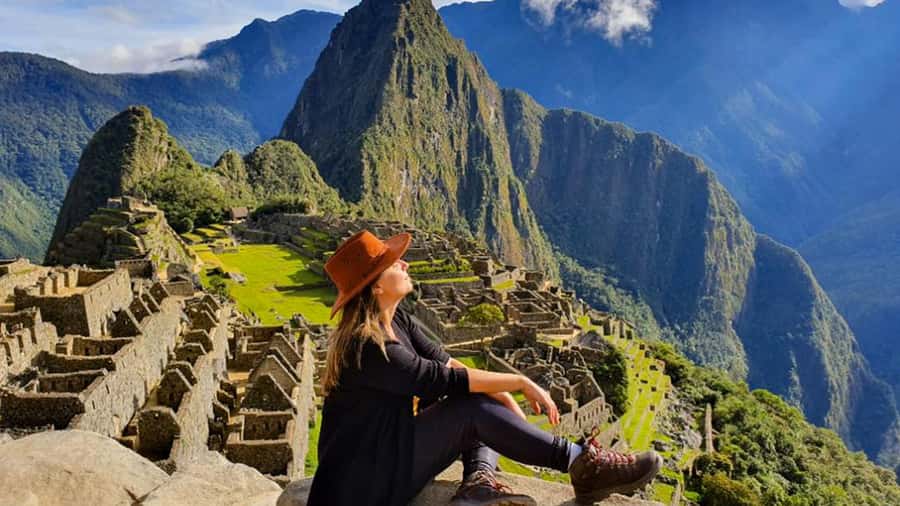
If you’re thinking about Machu Picchu only as a ticket you use, this route changes the feeling fast. You start with the long connection: train from the Cusco area to the trail start, then a hike to Wiñay Wayna, and only after that do you move toward Machu Picchu. That sequence matters because you arrive with context—why these terraces were built where they were, and how the trail itself fits the setting.
I also like that the tour doesn’t pretend this is a casual walk. You’re up above Cusco for long enough to feel the altitude rhythm, and you’re hiking on ancient paths that include climbs. The payoff is that Machu Picchu doesn’t feel like a random photo stop. It feels like the end of a story you actually walked.
There’s one more practical advantage: the small group setup helps your guide manage timing and comfort. With fewer people, you get a better chance that questions get answered on the spot, and pacing can be adjusted when needed.
Day 1: From Cusco train time to Wiñay Wayna’s terraces
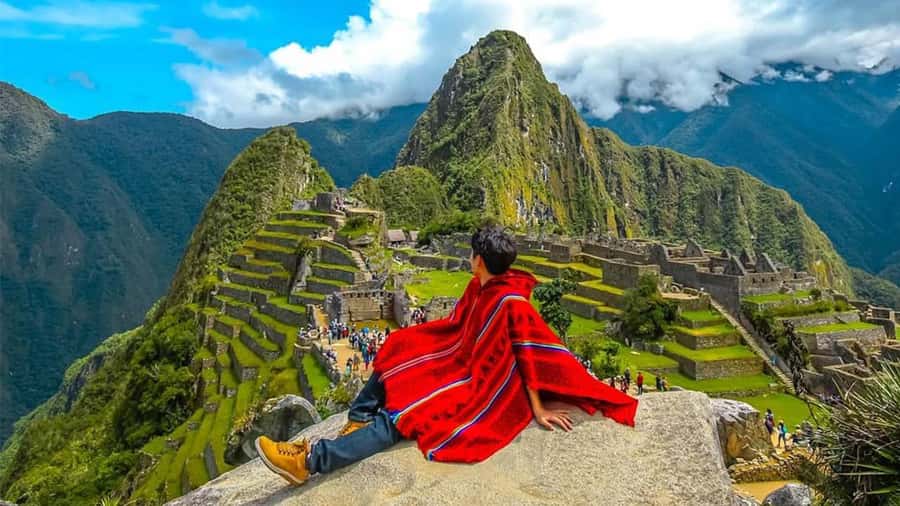
Your day begins with pickup from your hotel in Cusco’s historic center. The meeting point is straightforward: you wait in the lobby about 10 minutes before pickup time. Then you travel by car from Cusco toward the train station area in Ollantaytambo.
On the train ride, you’ll watch the Sacred Valley scenery shift as you move away from Cusco’s streets and deeper into Inca-country geography. When you reach the train station for the walking start, you’ll board the train that takes you to where the trek begins. Quick tip: use the station restroom if you need to, because after boarding the rhythm becomes “move, then walk.”
The approximately 3-hour hike to Wiñay Wayna
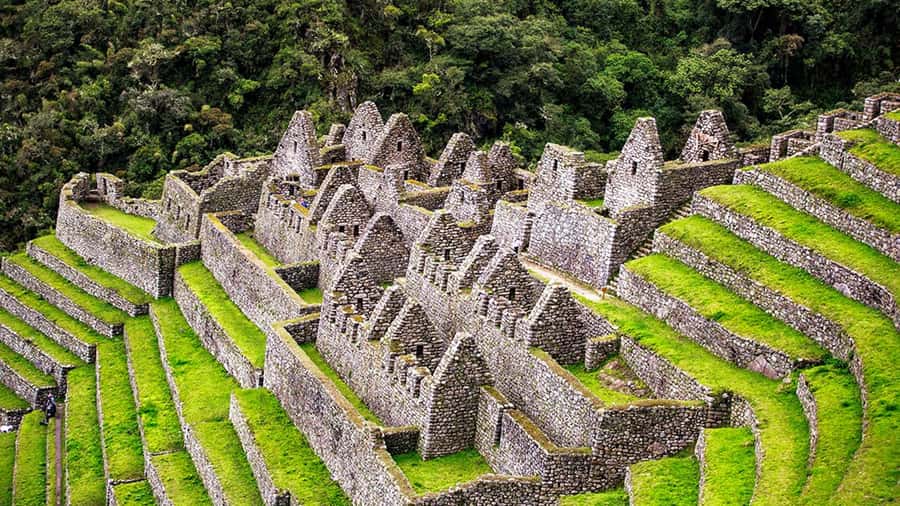
Once you reach the start point, the guide takes care of the procedures so you can focus on the trail. The walk is listed at about 3 hours to reach Wiñay Wayna, an archaeological complex tied to daily Inca life.
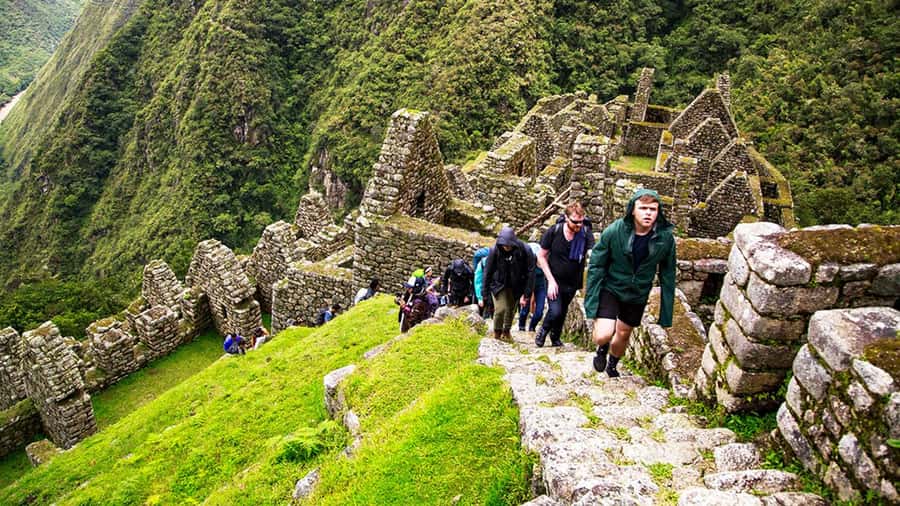
This is a part of the trail where you’re not just hiking between viewpoints. You’re walking segments of the route that the Incas used, and you’ll get time to notice details along the way. The guide also points out endemic flora, which is one of those “small” things that makes a huge difference once you slow down and look.
In your body, expect effort that builds. Some uphill sections can feel steep, and the altitude can make your legs work harder than you expect. The good news: the route is structured around stopping, and a strong guide makes it manageable.
Box lunch, then houses, terraces, and Inti Punku
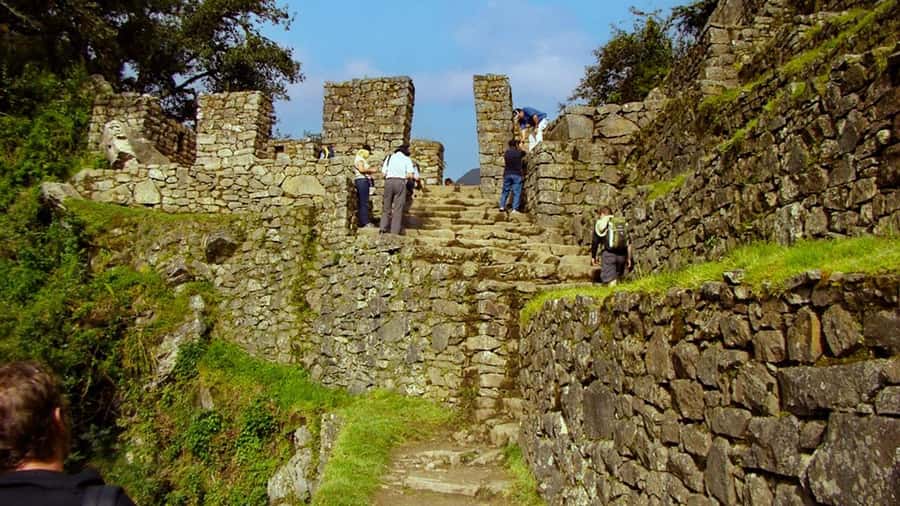
After the box lunch on day 1, the tour shifts into exploration mode at Wiñay Wayna. You’ll visit houses and terraces, then move to Inti Punku, also called the Inca Gate of the Sun.
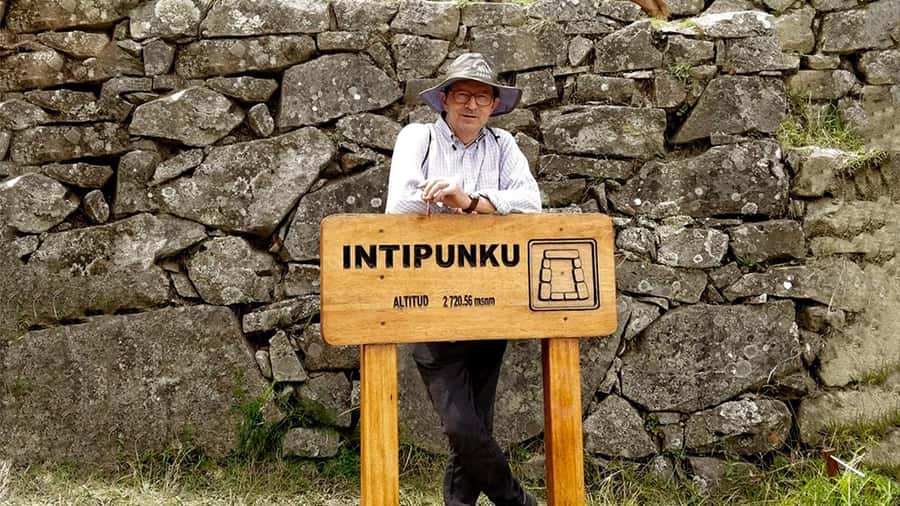
This stop is a key emotional turning point. Inti Punku is where the experience starts to look like the classic Machu Picchu view in real life. You’re not only learning where things are—you get your first major sightline that sets up the rest of the day.
First views, then bus down to Aguas Calientes
After Inti Punku, you’ll take the bus down toward Aguas Calientes, where you’ll spend the night. Your guide brings you to your hotel, and then you have dinner at a restaurant in town.
I like that dinner is planned rather than left as a free-for-all. In Aguas Calientes, choices are plenty, but after a hike, it’s nice to know you’re eating something that fits your energy and isn’t a last-minute scramble. Your guide will also give instructions for the next day, so you know what time you’ll be picked up and how the morning flow works.
Aguas Calientes night: how to sleep well for Machu Picchu morning
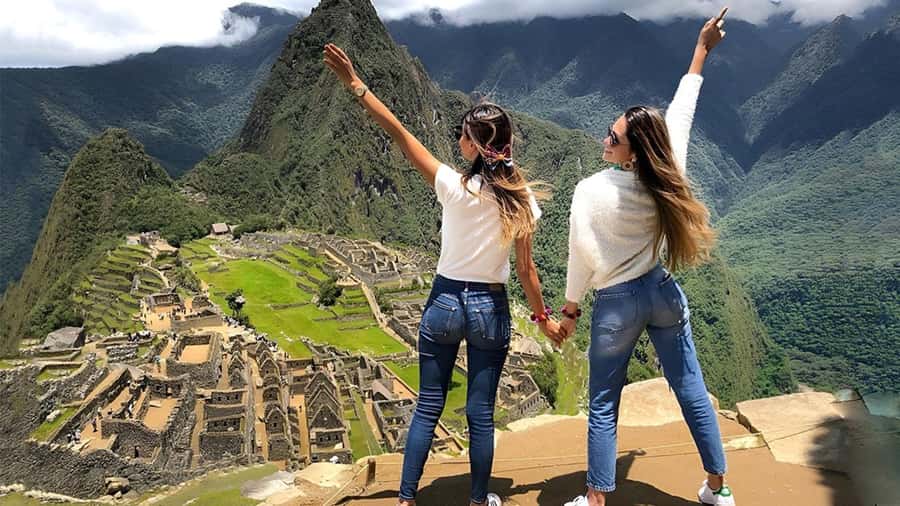
The day 1 plan is built around arriving at Aguas Calientes with enough time to reset. That matters because day 2 is when Machu Picchu becomes the main event. If you come in exhausted, you’ll miss details your guide could be pointing out.
So what should you do tonight? Keep it simple:
- Pack your daypack so it’s ready for morning pickup
- Plan to get to dinner earlier rather than later
- Don’t overthink lunch for day 2, since you’ll have on-your-own time there
You’ll stay in a standard hotel. Exact room setup isn’t the point here. The goal is rest, hydration, and getting your head ready for a guided walk through Machu Picchu’s core areas.
Day 2: Bus to Machu Picchu, then the guided tour you’ll remember
After breakfast, you’ll be picked up and taken to the bus that climbs toward Machu Picchu. The route to the site is part of the experience: the bus ascends an intricate path, and you’ll get a spectacular view of the Urubamba River shaping the canyon below.
This is where Machu Picchu stops feeling like an isolated ruin. You start to understand why it was positioned where it is—between river, cloud movement, and steep terrain.
Machu Picchu on arrival: terraces, staircases, and ceremonial areas
When Machu Picchu opens up, you’ll see the terraces, staircases, ceremonial enclosures, and the urban areas. Then it’s straight into a guided tour.
A guided walk is the difference between seeing buildings and actually understanding them. Your guide’s job here is to help you connect the physical layout to the meaning—so you aren’t only staring at stone. You’re learning how the space works as a designed system.
Lunch time and what to plan for
After the guided tour, you’ll have time to eat lunch on your own at a restaurant in the area. This lunch isn’t included, so keep cash and/or card options ready. If you have dietary needs, I’d handle that on the spot based on what the restaurants can accommodate at the time you arrive.
Then you’ll head back. At the time coordinated by your guide, you return by train to Ollantaytambo. When you arrive, transportation waits to take you back to your hotel in Cusco—so you finish with less hassle than many DIY plans.
Transfers and timing: what you gain (and what can trip you up)
This tour has a lot of moving parts, but the structure is clear: Cusco → Ollantaytambo area by train connections → hike → Aguas Calientes hotel night → Machu Picchu by bus → train back → return to Cusco.
Because you’re using train and bus segments, you want to be on time at every meeting. The pickup in Cusco is scheduled, and you’re also expected to follow timing for the morning. If you’re late, the group rhythm breaks, and that can affect how the guide distributes time at each stop.
Also pay attention to what you can and can’t bring. Luggage or large bags aren’t allowed. That affects how you pack your daypack and also how you organize your extra items (meds, charging cables, a light layer, etc.). If you think you’ll need help carrying extras, sort it out in the pre-departure briefing so nobody is improvising at the last minute.
Price and value: is $653 reasonable for this 2-day setup?
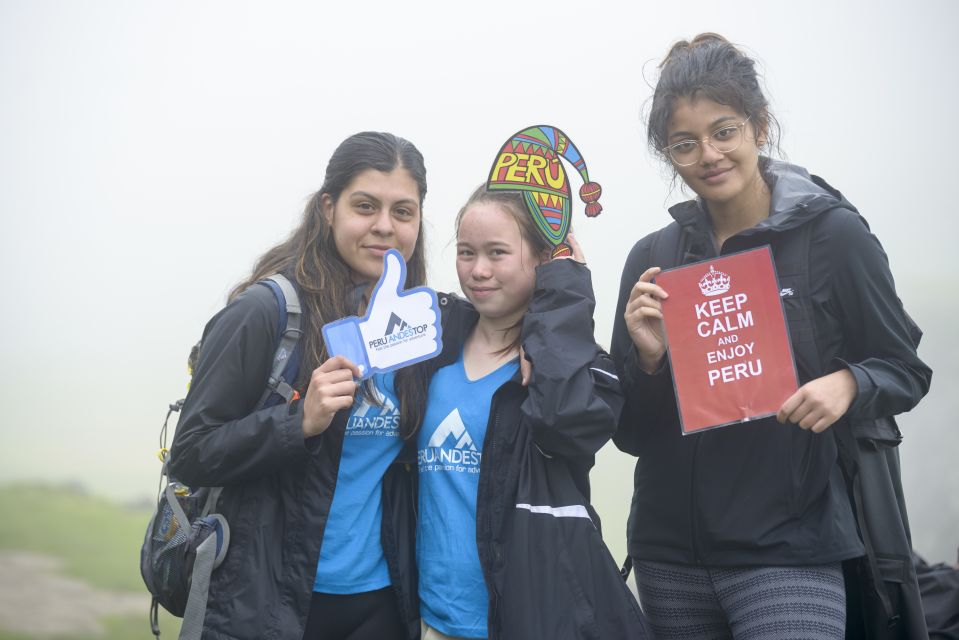
At $653 per person, this isn’t a budget add-on. But it can be good value because the big costs are baked in:
- entry tickets to the Inca Trail and Machu Picchu
- hotel accommodation for one night
- official guide
- transfers between Cusco and Ollantaytambo
- train ticket (tourist class or panoramic)
- bus tickets related to the Machu Picchu approach and the day 1 arrival in Aguas Calientes
- meals included as specific items: box lunch day 1 and dinner day 1
- first aid box
So you’re not just paying for “the hike.” You’re paying for the logistics that keep it from turning into a stressful chain of tickets and routes.
What you’ll still pay separately:
- lunch after your Machu Picchu guided tour
- any optional mountain entry such as Huayna Picchu or Machu Picchu Mountain
If you already know you want only the main Machu Picchu site, this price can make sense. If you plan to add the mountain climbs, your total cost will rise—and you’ll need to confirm availability separately because entry is limited.
Your guide experience: what to expect from the way the day is run
A lot of what makes this feel good comes down to guide style. Names like Lenin and Raoul show up with high praise, and the common theme is attention to people’s needs.
In practice, that tends to mean:
- pacing that can adjust if you’re moving slower
- space for people to walk at their own pace when appropriate
- clear explanations that make Machu Picchu easier to follow, not just impressive to photograph
If you want the best experience, treat your guide as a resource. Ask questions while you’re walking. Mention if you’re feeling tightness in your legs or breathing. This is also where the language options matter; guides operate in multiple languages including Spanish, English, Portuguese, Italian, and French.
What to bring and how to prepare when the tour limits your luggage
Bring:
- passport or ID card
- travel insurance
- toiletries
- a daypack (your main carry)
Not allowed:
- pets
- luggage or large bags
This is the kind of tour where packing light isn’t just a “nice idea.” It’s a requirement. You’ll want layers, since the Andes and the cloud-forest edge can feel different within a few hours. Plan for sweat, then plan for cooler air when you stop moving.
One more detail that matters: to confirm your reservation, you must provide passport information for each participant. If you update passport data, you must present both documents, because the service confirmation is based on the document you initially provide.
Who should book this, and who should skip it
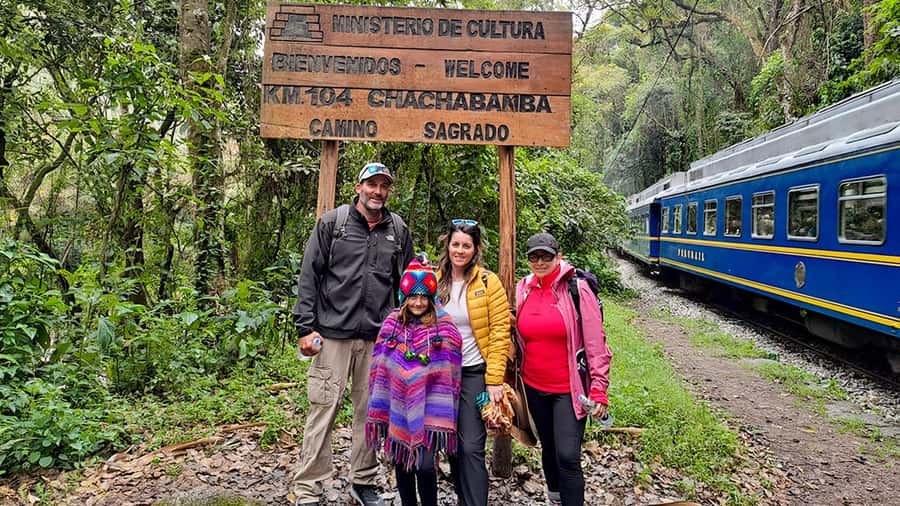
This tour fits best if:
- you want a guided Inca Trail day with a clear structure and minimal guesswork
- you like small groups and want a guide to manage the pacing
- you’re okay with physically active hiking and want the reward of arriving at Machu Picchu with context
You should consider skipping (or choosing a different option) if:
- you are pregnant
- you have mobility impairments
- you have children under 8
Also think carefully about optional mountain climbs. Tickets for Huayna Picchu or Machu Picchu Mountain aren’t included, and the hikes to those mountains are described as medium-high difficulty with limited entry. If that’s on your bucket list, plan ahead and confirm availability early.
Should you book this 2-Day Inca Trail from Cusco?
Book it if you want the classic Machu Picchu experience plus the walking part that explains why it’s there. The combination of Wiñay Wayna, Inti Punku, and a guided Machu Picchu tour is a strong value for the money because the big logistics—train, buses, entry tickets, and one night in Aguas Calientes—are handled for you.
Skip it if you’re sensitive to physically active days, can’t travel light, or you rely on a very flexible schedule. Also, if you’re hoping to add Huayna Picchu or Machu Picchu Mountain, budget extra time and money and verify availability early.
If you want the trail feel without turning your trip into an engineering project, this is one of the cleaner ways to do it.
FAQ
How long is the Cusco to Machu Picchu 2-Day Inca Trail experience?
It’s listed as 2 days. Starting times can vary, so you’ll need to check availability for the exact departure schedule.
How many people are in the group?
It’s a small group limited to 13 participants.
What’s included for meals?
You get a box lunch on the first day and dinner in Aguas Calientes. Lunch after the Machu Picchu guided tour is not included, so you’ll eat on your own.
Do I need a passport to book?
Yes. To confirm the reservation, you must provide passport information for each participant.
Is Huayna Picchu or Machu Picchu Mountain included?
No. Entry tickets for Huayna Picchu Mountain or Machu Picchu Mountain are not included.
What languages do the guides speak?
Guides are available in Spanish, English, Portuguese, Italian, and French.
What should I bring, and what isn’t allowed?
Bring travel insurance, toiletries, a daypack, and your passport or ID card. Pets aren’t allowed, and luggage or large bags are not allowed.
Is this tour suitable for everyone?
It’s not suitable for pregnant women, people with mobility impairments, and children under 8. If you add Machu Picchu Mountain or Huayna Picchu Mountain, the difficulty is described as medium-high.